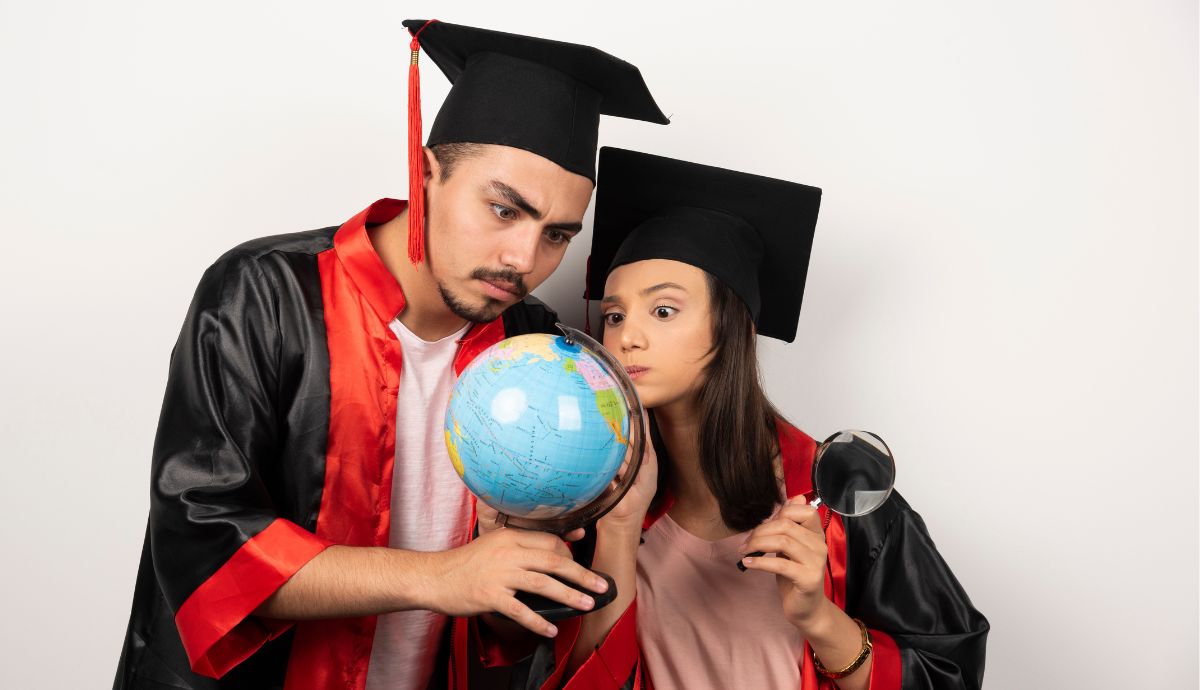
Educatio,n enriches people, enhances their character, and motivates and inspires them to confront social and professional issues with confidence. Educatio,n, as the foundation of a person’s character and the driver of social and national advancement, is more than holding certificates and a piece of paper. From the earliest recorded history to the age of the Global Village, the profound sociocultural changes, coupled with new digital technologies, ushered in a new era of Educatio,n and national development.
This article aims to discuss the benefits of Educatio,n, its available types, prospects, and challenges, and the need to overcome them.
The Significance of E,ducation
Provide insight regarding planning and control. Some of the significant reasons why it is important are as follows:
Knowledge and Skills: Eloquent and logical reasoning, along with the ability to read, write, and articulate one’s ideas critically,
Career Opportunities: Eased access to attaining a job and increased financial security,
Social Development: Awareness of civic engagement and social responsibilities,
Character Development: Self-control and ethical behaviour.
Global Development: Foundations Educated of a society develop, innovate, and contribute to attaining world peace.
Fields of Educatio,n
The different types focus on the returned outcomes of such Educatio,n:
1.Formal Educatio,n
Systematic instruction offered in Primary, Secondary, and Tertiary Advanced Academic Districts, with all levels of schooling attaining a designed profile that is vertically and horizontally structured with specific outcomes, mastered in Textbooks and Examinations, culminating in the attainment of a Diploma.
2.Informal Education
The learning experience that people undergo with their family and society in traditional and basic social processes, along with associated cultural skills.
3. Non-Formal Education
This may include attending workshops, engaging in vocational training, and other remote activities.
It is both flexible and organized for acquiring specific skills.
Benefits of Education
Education is a catalyst for a person’s and a society’s development:
Improves Quality of Life: The health, financial, and occupational choices of an educated person are foremost.
Promotes Equality: Equal opportunity is extende to both females and males.
Boosts Economy: The innovation and industrial growth brought by a skilled labour force.
Encourages Critical Thinking: Problems are solve in unique ways.
Strengthens Democracy: Participation in politics and other civic areas of public life is increase.
Education and Technology
The 21st century has brought integrated technology into Education:
E-Learning Platforms: The internet and dedicated software have made Education available to all corners of the world.
Digital Classrooms: The use of smartboards along with the internet and other interactive learning tools is an asset.
AI and Data Analytics: Enables customization of the learning journey for students.
Virtual Reality (VR): Engages students and provides them with real-life experiences for practical-based subjects.
Global Access: Geographical barriers have been eliminate with the advent of online learning.
Education Systems Around the World
Every nation has a unique way of approaching Education:
Finland: It lessens the burden of examinations and centres more on the creativity and well-being of students.
In Japan, students are taught the importance of discipline, respect, and achieving goals in their learning.
In the United States, students are offered a wide array of choices, and the educational framework places a strong emphasis on research and innovation.
Developing Nations: Technology-based learning remains a challenge, but its adoption is skyrocketing.
Obstacles Within Modern Education
The sector still has a few hurdles to overcome:
Accessibility: illiteracy has not been entirely overcome, especially amongst children in remote villages.
Educational Inequity: In many cultures, girls often lack access to Education.
Extortionate Prices: the steep cost of attending universities and private schools.
Teaching Materials and Modernization: Many educational systems offer curricula that are not aligne with the modern job market requirements.
Inequitable Education: inequitable distribution of skills and resources in society for people to gain the digital skills required today.
The Future of Education
Like anything else, Education will progress with the advances of technology and the globe. Some of the expected changes are:
Online Education: Remote Education, Distance Learning, or eLearning will continue to rise.
Artificial Intelligence in Education: digital pedagogy is expecte to increase and decrease the concentration levels in class through AI information systems.
Education in the Future: There will continue to be an increase in investment in active educational resources and primary teaching techniques compared to passive ones.
Global Partnerships: students from diverse nations will interact with each other and collaborate virtually.
Equity of Access: Economically disadvantaged Students and those with disabilities will be provided with greater access to Education.
Role of Teachers in Education
The most important people are the teachers.
– Teachers can uplift, encourage and change a student’s perspective towards their learning.
They encourage independent thinking.
They develop and mould the next generation’s progress makers and change makers.
Due to technology, teachers are expected to take a more holistic approach in teaching, as oppose to being a lecturer who delivers knowledge.
Education and Personal Development
Education goes beyond the textbook and helps in acquiring various skills, such as:
Effective Communication
Ability to Solve Problems
Ability to Lead
Flexibility
Self Assuredness
All these attributes are a prerequisite for achieving success in any domain of life.
Conclusion
Education helps maximise a human being’s full potential. It builds people and societies, and drives progress in the world. Educatio,n in the contemporary world should take a form that is easily accessible, creative, and addresses the needs of future generations.
Educatio,n transforms an individual, and for some people, the source is through the traditional schooling system, while for others, it is an online platform. Education is the primary source for achieving success, and at the same time, it lays the groundwork for a fairer and just world.
About the Author