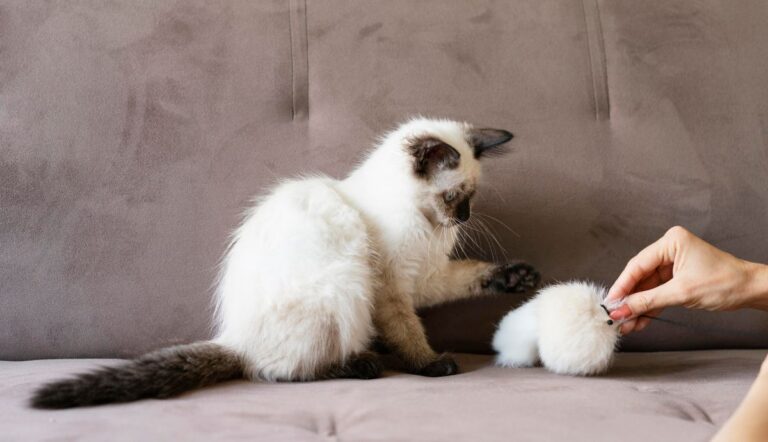
The construction of the family has changed in the contemporary world. The emotions of love, care, and companionship that many people hold are embedded in more than just humans – fully-fledged family members are our pets too. This emotional bond has given rise to the cosmetic neologism, the furry kid.
What is a furry kid? Why are people so proud to refer to their cats and dogs as their children? What does the furry kid reflect in relation to the current trends of lifestyle and society?
The International Traffic Journal seeks to understand the meaning and the ‘furry kid’ and the world revolved around pets. In the world that loves pets, a furry kid has turned from a cutesy term to a universal token of love and companion.
What is a furry kid?
The word furry kid first appeared in the 1990s to mean a more affectionate way of describing a pet, more so, a dog or a cat. The term was later include in the Oxford dictionary as ‘furry kids’. It now refers to a pet ‘purr’son that is treate as a human child. The emotionally filled term ‘furry’ refers to the covering of fur possessed by the animal, while the term ‘kid’ symbolizes the way the pets feel, emotionally, as a member of the family.
‘Furry kid’ is, therefore, a child to dog and cat ‘parents’.
The use of the phrase,
“My furry kid loves sleeping on the couch,’
It is an example of affection and family bond where the pet has the status of a family member, not just an animal.
The terms furbie, furry kid, and other similar neologisms are currently on the rise amongst the younger population, particularly millennials and Gen Z, since they have described their pets as their emotional support, even best friends, and children.
The Rise of the “Furry Kid” Generation
Households are increasingly modernize, and as lifestyles change, people are having children at a later stage or not at all, placing pets at the emotional core of the family.
1. Emotional Companionship in a Busy World
The new reality describes a faster-paced digital society where loneliness and stress are very prominent. A furry kid can provide emotional stability, love, and comfort. It has been well documente that pets can enhance levels of happiness and reduce anxiety, as well as lower blood pressure.
2. Shifting Family Structures
It has become very common among young couples and single professionals to view their pets as their children, hence the term” pet parents.” That explains the new terms furbie and furry kid that have become part of popular culture.
Economic And Social Factors
Pet ownership has increasingly become common practice among households globally (APPA). This may be attribute to the money spent on animal care, which is inclusive of animal insurance, grooming, and even birthday celebrations, which has catapulted the concept of pet ownership to a form of identity rather than mere affection.
The Emotional Connection Humans Have With Their Pets
From the past, the bond human beings shared with animals has existed, and in the modern context, it is more pronounced and deeper.
The whole idea of unconditional love with a furry kid is that a furry kid is going, show, to the best of their ability, unbounded affection. They don’t judge nor argue, or even criticize; they love their human counterparts. This difference helps eliminate voids as well as improve emotional and psychological wellness. Their social and emotional wellness is improve when they approach life from a shifted paradigm.
Pets do offer a range of psychological wellness and Numerous studies have shown that having a pet:
– Helps in reducing stress levels and stress hormones (cortisol).
– Increases the level of serotonin and dopamine in the body (the hormones of pleasure).
Reduces the feeling of isolation and the general mood
It is for this purpose that psychologists recommend some form of pet/animal as a form of Emotional Support to people with feelings of anxiety or depression, which proves that furry kids do, in fact, help to heal broken hearts.
There is also a lesson in learning and fostering strong values to be responsible and reliable, especially for people who live alone or work from home, when they realize having a pet provides companionship. Cultural Representation of Furry Kids Around The World
Across the globe, the human-animal bond is cultivate uniquely in each culture, and “furry kids” is an interesting example of an idea that permeates culture boundaries.
United States and Europe
In Western countries, pets are viewe and treated almost on par with children. They celebrate their furry kids’ birthdays, take family photos and holiday cards with them, and even dress them in personalized clothes.
Asia and the Middle East
Pet parenting has increased tremendously in countries like Japan, China, and South Korea. In metropolitan areas, there are pet cafés, specialized food for furry kids, and even luxury pet hotels.
Africa and Latin America
In developing countries, the idea of “furry kids” is spreading due to social media. The rapid expansion of pet care industries in these countries is a sign of the global acceptance of animals as family members.
Furry Kids and The Pet Economy
Furry kids and their influence on the global economy are astounding. The unconditional love people have for their furry pets has grown the global economy in the pet care industry to a multi-billion-dollar industry and counting.
1. Wellness and Care Products
Pet owners understand that their pawsitive companions deserve the best nutrition. That’s why the supplements industry has expanded with organic pet food plus health supplements. Meanwhile, mental health and comfort have gained significant traction due to pet wellness brands concentrating on these.
2. Grooming and Fashion
Pet owners and pet stylists offer the complete pampering, the “furry kid lifestyle” — designer sets, professional grooming, and even special fragrances. Daily, the social media “influencer” phenomenon promotes the concept by featuring furry kids unbelievably accessorized and dressed in couture.
3. Services and Digital Portals
The pet tech industry is fortunate to have apps for online vet services, pet fitness trackers, and digital platforms for easy online pet adoption. The pet wellness industry is undergoing a digital transformation, and pet parents with their furry kids have taken the global digitalization trends pet innovation to a new level.
Furry Kid vs Furry Fandom: The Distinction
The distinction is essential.
The Furry Kid (General Definition)
To many, a furry kid is simply a pet, more specifically, an animal that is love, cared for, and treated as a child.
F,urry fandom deals with a particular subset of characters and drawings that are anthropomorphic, and the people in the fandom not only appreciate but also craft, create, and nurture such characters. Furry fandom tends to be a lot more serious with their anthropomorphism than the purely affectionate term of ‘furry kids’.
Furry ‘Kids’ And The Social Media Boom
The “furry kids” term blossomed and ballooned in part, thanks to social media. One can stumble upon a pet star with either a furry father or a furry mother on social media platforms such as Instagram, Tiktok, and YouTube.
There is an evident evolution of culture revolving around people’s love for their pets, and on social media, one can find furry kids as beacons of happiness and comfort, fueling the rise of globally adored pet culture.
Commonly Used Phrases
Fasley Furry Kid
Fu,r parent
Fur Baby
Fur Child
Dog Mom or Cat Dad
Pet parent.
These hashtags are a part of a collection of hashtags that are agnostic in their love for pets throughout the globe.
The fur parent phenomenon highlights the bond with pets developed over time. Terms such as furry kids, pets, fur babies, and the adopted family of dog moms or cat dads show a change of mentality in culture.
1. The bond with a pet is unconditional.
Pet owners are recipients of unwavering love, with no conditions attached, which builds a certain bond.
2. For many millennials, the traditional concept of parenthood comes in the form of pets, due to the lifestyle or certain economic conditions.
3. Community and Identity
The creation of an online and offline sense of belonging when one becomes a pet parent or has a furry kid is quite remarkable. There are even dating platforms specifically designed for pet enthusiasts, in addition to pet communities and parks.
The Responsibility of Caring for Your Furry Kid
Committing to being a pet parent is not a light decision. If you perceive any of a dog, a cat, or even a rabbit as your furry kid, there are some essential steps to take to ensure their well-being.
Nutrition: Provide a balanced diet of quality, appropriate pet food.
Exercise: Walking and playing with your furry kid should be a daily ritual.
Health Care: Ensure timely visits to a veterinarian for examinations and immunizations.
Emotional Care: Allocate sufficient time for pets. They need to be cuddle, converse with, and traine.
Safety: Ensure your furry kid is protecte from dangers, whether in the house or the yard.
Pets that are well taken care of tend to be much more joyful…and have longer lifespans.
The furry kid concept is likely to strengthen as urban lifestyles evolve. Some developments we are already observing are:
Health and ancestry pet DNA testing.
AI behavioral monitoring of pets.
Organizations that promote pet-friendly environments for their employees
These advancements indicate that furry kids go beyond the scope of pets and are essential to the emotional framework of humans. Conclusion: Why “Furry Kid” Is More Than a Trend
The notion of a “furry kid” goes beyond a mere pet name; it symbolises a paradigm shift regarding the relationship between humans and other animals — from mere commodities to family members. From the loyal dog to the playful kitten and the rescued rabbit, these furry creatures form a bond with us as loving companions, friends, and emotional support animals.
According to the International Traffic Journal, the term furry kid is entirely appropriate to describe the new emotional core of contemporary family life — one characterised by love, reciprocal nurturing, and a richer sense of what family means.
In the furry kid, one of the most beautiful symbols of the world in the twenty-first century is the fact that love knows no boundaries — only relationships.
About the Author