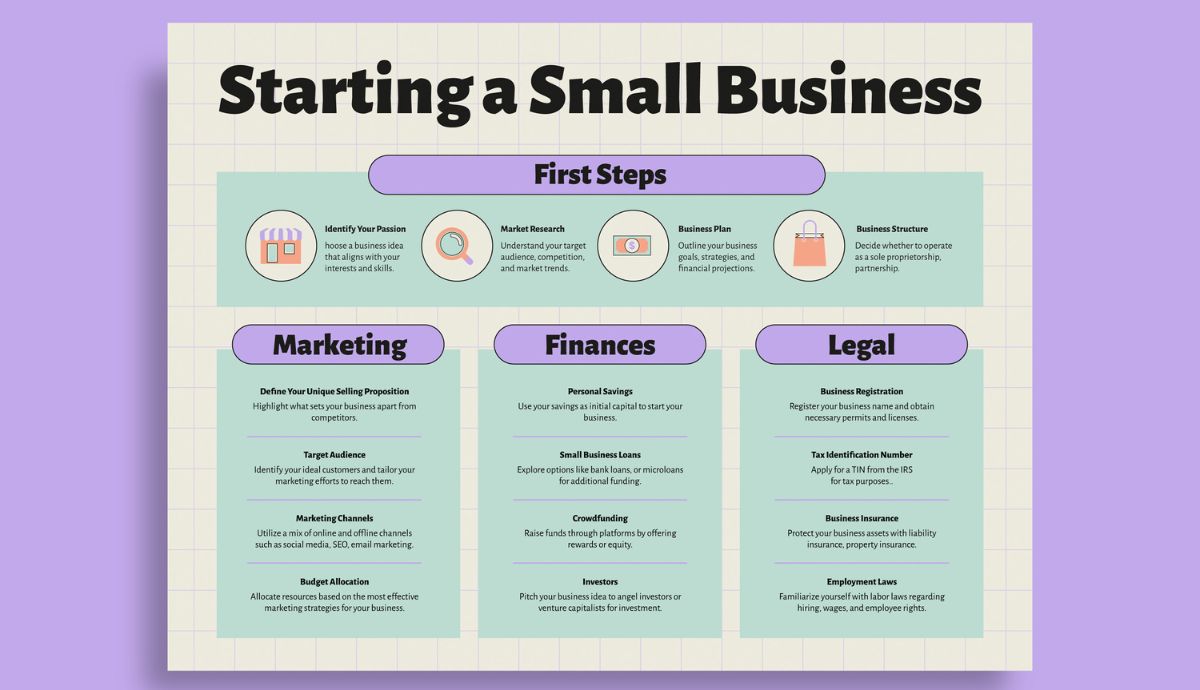
The brand stands out from competing brands from a marketing point of view. Using the guide that has been structure from the marketing blueprint template, the possible desired results from the marketing strategy that has been set can be achieve.
The boundless set of shifts has been adopte from the template shifts. In social media marketing and other areas that have gone under digital marketing, rapid changes occur. It marketing strategies that now include social media are being embrace all around the world, regardless of the distance and culture present.
What is a Marketing Plan?
The activities that have been set from the marketing strategies become structure in a marketing plan. It is within the marketing strategies that engagements intended for the possible consumers are targeted. Md the measurements that have been set concerning the marketing activities. These measurements become the base from which marketing cuts are made.
A marketing plan is a valuable investment at the micro level when it aligns with your business strategy, as it will streamline your resource allocation, maximize efficiency, and most significantly, aid your business in achieving its goals. These goals are carefully outlined in the plan. They are amenable to proper distribution and resource allocation despite being relative to one another, which is the rationale for the plan being a set of interconnected branches. It also allows for optimization in resource investment and is profitable in the larger macro sense.
1. Executive Summary
Despite being the first part of the marketing plan, it is best to ‘reverse outline’ it. It captures the essence of the strategy and condenses the main aspects of the marketing plan, which are goals, frameworks, target audience, etc. The main ideas are the core marketing components, and it is kept to a minimum to retain the interest of the stakeholders.
2. Define Your Goals and Objectives
There are marketing tactics and within them, there are four Ps and strategies to outline; however, there is a necessity to outline goals first. Goals should be quantifiable, which allows for the strategy to be effective. The strategy should still be aligned with the business goals.
The following are examples of objectives people set for themselves while in the field of marketing and its related branches.
Brand Awareness: Make your brand more visible to your target audience.
Lead Generation: Capture and attract people to your offer.
Customer Retention: Strengthen and increase the customer lifetime value.
Sales Growth: Enhance revenue through more targeted and effective marketing.
Construct your goals using the SMART framework – Specific, Measurable, Achievable, Relevant, Time-bound – to ensure that they are actionable and within your grasp.
3. Grasp the Characteristics of the Clients
The effectiveness of your marketing strategy is directly proportional to your knowledge of the target audience. Failure to appreciate this will lead to inefficient and misaligned marketing strategies. Divide your audience on the basis of demographics, interests, and behaviors, as well as other relevant parameters.
Buyer Personas is an effective strategy for aiding the definition of the ideal customers that your business needs. These are semi-fictional representations and, as such, will include the following:
Age
Gender
Geographic location
Occupation
Pain points
Shopping patterns
Defining your audience will enhance your ability to develop content and targeted campaigns, which will ultimately increase their engagement and conversions.
4. Undertake a SWOT Analysis
A SWOT analysis will assist you in determining your marketing position, then articulating internal and external elements that may affect your marketing. This entails analyzing your business’s unique Strengths, Weaknesses, and external market Opportunities, and any market competition Threats.
Strengths: What are you good at? What is your competitive advantage?
Weaknesses: What are you lacking in? What are your challenges?
Opportunities: What are some trends you can take advantage of? What are some gaps in the market?
Threats: What are some challenges you might face? Who are your competitors?
This will guide decision-making and show where improvement is needed.
5. Identify Your Unique Selling Proposition (USP)
Your Unique Selling Proposition (USP) is the element of differentiation you have in comparison with other businesses in the market. It’s what makes your brand, product, or service distinctive. Whether it’s outstanding customer service, creative features, or the lowest prices, your USP should be central to your promotional messaging.
To determine your USP, consider the following:
Why do you think customers pick you instead of your competitors?
What do you provide that nobody else in the market does?
How do you plan to reach your customers with the attribute?
Once identified, the USP should be integrated into all promotional activities.
6. Use Marketing Strategies and Actions
You can now select the approaches that will help you achieve your objectives and objectives, taking into consideration your objectives and goals, possible strategies and tactics, and the ultimate aim of the campaign.
Broadly defined approaches are marketing strategies, and the precise steps to be completed are defined as marketing tactics.
The following are strategies you may look into:
Content marketing: Develop and promote marketing materials that are relevant to your target audience, and that are considered to be valuable to them. This may be in the form of blog posts, infographics, videos, and social posts.
Search Engine Marketing: Enhance your website and other materials so as to rank high on search engines and drive organic traffic to your website.
Social Media Marketing: Position your business online to create and foster relationships with customers and prospects via social media networks such as Facebook, Instagram, LinkedIn, and Twitter.
Email marketing: Create and promote social content for your audience on relevant platforms to drive high audience engagement.
Paid marketing: Use Google Ads, Facebook Ads, and other marketing platforms to drive relevant traffic to your business website and landing pages.
Each of them should possess defined goals and realistic objectives that are attainable.
700-800 words on humanizing the given text without having any spelling or grammatical errors, with well-structured content, logical order to the paragraphs, clear flow of the ideas, and high relevancy to the content. Use specific legal vocabulary that fits the subject and add any additional points that seem relevant. All the while completing re-writing with the same formal tone. Also, no need to add any background info, only stay based on the content given. Also include an appropriate introduction and conclusion.
7. Set a Budget and Allocate Resources
A marketing plan is crucial to a firm’s primary strategic marketing and should contain the amount to be spent on each strategy and the amount that will be allocate to each activity. While allocating resources, consider the following factors:
People: Who will be responsible for the content development, campaign delivery, or customer interactions?
Resources: What systems and tools will be used to implement the marketing strategies (e.g., marketing automation systems, CRMs, and reporting/analytics)?
Promotion: What will be the budget for the paid marketing, promoted posts, and influencer collaborations?
A well-thought-out budget will ensure that costs will be kept in line and the plan will be properly executed, with ROI being tracked.
8. Measure and Analyze Performance
Measuring a marketing plan only works if you implement it part by part. Set up KPIs, and then figure out the most relevant ID on the other KPIs to understan how the campaign is being used.
Traffic to the site
Conversion (sales)
Cost of customer (CAC)
Social ROI
ROI (for every 1 spent, how much was recovere)
Engagement
These steps will help you gain a better understanding of how users interact with digital marketing channels. Use Google Analytics, social media insights, and email marketing reports for analytics and insights into the campaign. Based on these insights and analytics, generate actions that you would identify for the specific goals 9. Refine Your Actionable Steps.
Marketing is always a process of trying new things and learning from failures. Based on data and insights collected, modify the strategies to enhance effectiveness. Test the effectiveness of different strategies one at a time, such as changes to the banner ads or changes to the format of the content. Analyze and adjust as your customer base and marketing strategies grow.
Wrap Up
A marketing strategy is create after significant research and a thoughtful approach, as outlined in the marketing strategy template. These strategies will help the business achieve the desired outcome outlined in the goals of the business. These actions will ensure the goals of the business will be reache; know your target market and implement the best strategies to achieve the desired objectives. However, improving and redefining the strategy steps is paramount to ensure business sustenance.
By adopting these methods, your business is likely to thrive in this global market. Whether it’s content marketing, SEO, or social media, it’s important to be consistent and adaptable to achieve long-lasting positive results. Thus, take action on this marketing strategy template and witness the business’s success.
About the Author