The world one’s grandpa knew is being transformed in a trillion different ways by a new industry that can be best subtitled “supersize it.” With the growth of green consciousness — whether through health eating, sustainable living or understanding the impact on climate — conventional meat consumption is being challenged. At the forefront of this change is Impossible Burger, one of the planet’s most well-known and influential meat alternatives.
Impossible Burger is not just a substitute for meat, but rather a scientific and cultural crusade to lessen our reliance on animal agriculture, with none of the sacrifice in taste/texture/cooking experience. The company behind the aptly-named Impossible Burger went from being an unknown entity to a sensation at fast-food joints, fancy restaurants, and home kitchens around the world.
What Is Impossible Burger?
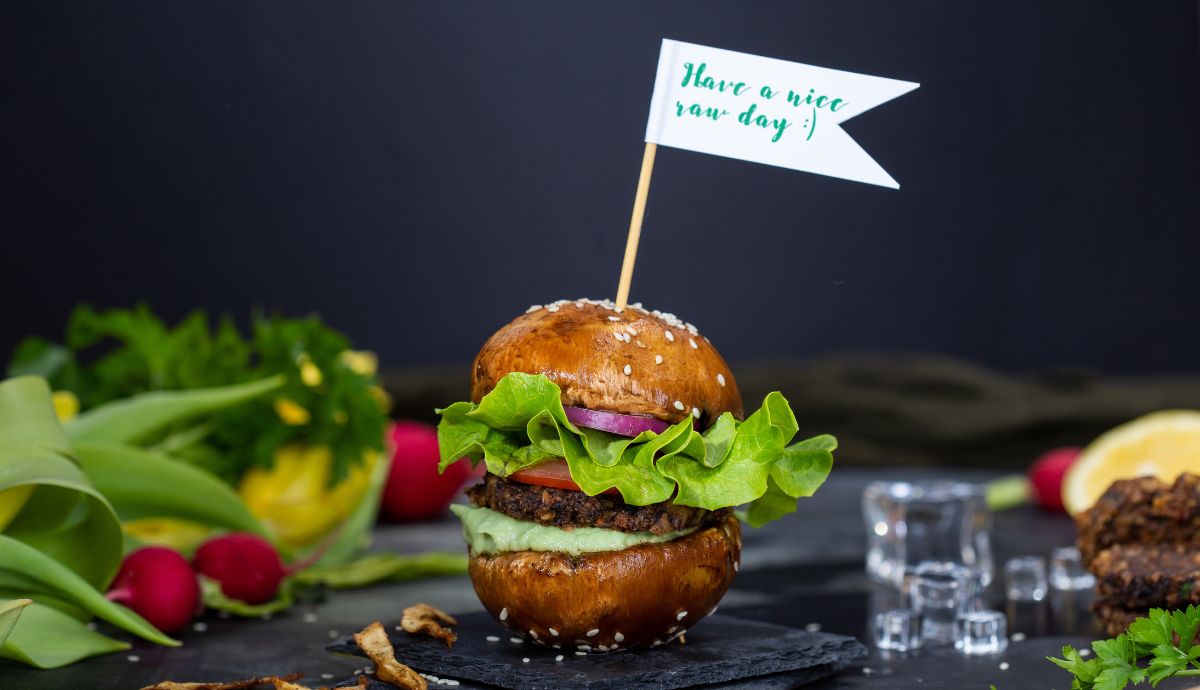
The Impossible Burger is a meat substitute made from plants that’s engineered to look, cook and — most important — taste like a traditional beef burger. Created by Impossible Foods, the product is engineered to look and taste like animal meat, but it’s entirely plant-based, using cutting-edge food science.
Unlike earlier vegetarian burgers that catered to consumers who love their vegetables or grains, the Impossible Burger is aimed at meat eaters and flexitarians, those concerned with the environmental impact of what’s on their plate but not ready to give up the flavor and satisfaction of beef.
The Science Behind Impossible Burger
The Role of Heme
What really sets Impossible Burger apart is heme, a molecule found in all living things — both plants and animals — that makes meat taste, well … meattier. HBiP is homologous to hemoglobin found in animals, where heme occurs. Impossible Foods has developed plant-based heme through fermentation, which gives this Burger its meaty flavor, but with no animal ingredients included.
This scientific achievement allowed Impossible Burger to solve one of the most pressing challenges in the world of plant-based foods: replicating authentic flavors.
Key Ingredients
Impossible Burger: The Impossible Burger is typically made with some plant-based ingredients like:
Soy or other plant proteins
Fat : Here are the Fat Substitutions in this Recipe: Coconut and Sunflower Oil
Plant-derived heme
Starches and binders for texture
These ingredients have been meticulously designed to replicate the juiciness, texture and cooking properties of ground beef.
Taste and Texture: Closing In On Beef
One of the central reasons Impossible Burger entered the mainstream is that it acts like meat:
Sizzles on the grill
Changes color as it cooks
Delivers a savory, umami-rich flavor
For a lot of consumers, Impossible Burger is the first plant-based option that doesn’t ask them to trade off on taste.
This sort of sensory familiarity has helped drive adoption among meat eaters, not just vegetarians or vegans.
Nutritional Profile: Health Considerations
Protein Content
Impossible Burger offers a similar amount of protein as beef, which might attract more consumers who care about maintaining muscle and feeling full.
Cholesterol and Fiber
Since it doesn’t include any animal products, the Impossible Burger has no cholesterol and does contain dietary fiber, which is lacking in animal meat.
Fat and Sodium
Whereas Impossible Burger has fats to replicate the richness of beef, a lot of it is from oils derived from plants. Sodium content can also be higher than that of plain beef, which is noteworthy for individuals maintaining a low-salt diet.
In the end, Impossible Burger wants to position itself as a reasonable nutritionally competitive alternative, but with moderation and dietary context still important.
Environmental Footprint: Sustainability in the Heart
The strongest case for the I,mpossible Burger is that it’s environmentally friendly.
Lower Resource Use
I,mpossible Burger also uses far less than traditional beef:
Less land
Less water
Fewer greenhouse gas emissions
By taking the animals out of the equation, plant-based meat massively reduces their source burden of producing meat.
Climate Change and Food Systems
Livestock farming is a significant source of global emissions. I,mpossible Burger is held up as a model of what food innovation can do — how eating habits that already feel second nature need not be given up in the fight against climate change.
Global Market Adoption and Growth
I,mpossible Burger is now available in:
Fast-food chains
Casual dining restaurants
Supermarkets and grocery stores
International markets
‘This wide accessibility has assisted in making plant-based meat more of the norm and part of everyday eating rather than a particular diet.
Competition in the Plant-Based Meat Space
I,mpossible Burger competes in an increasingly crowded and fast-changing space that includes:
Other plant-based meat brands
Traditional food companies launching alternatives
Emerging protein technologies
What differentiates I,mpossible Burger is that it is based more on science and has a formidable brand. And its attention to matching beef in taste helps put it at an advantage when appealing to the mainstream consumer.
Consumer Perception and Cultural Impact
In addition to its nutritional value and sustainability, I,mpossible Burger has also been culturally relevant.
1.It has altered how we feel about plant-based eating
2.It has spread to restaurant menus around the world
3.It has prompted debates about the future of meat
Trying an I,mpossible Burger is, for most consumers, less about ideology and more about novelty and taste — a key factor in mass adoption.
Challenges and Criticisms
We’ve succeeded, but I,mpossible Burger still faces battles:
Skepticism toward processed foods
Ingredient concerns among some consumers
Price competitiveness versus traditional beef
Supply chain and scaling complexities
Resolving these issues will be necessary for the plant-based space to mature.
The Future of Impossible Burger
Although in the future, I,mpossible Burger is expected to develop through:
Improved ingredient formulations
Expanded product lines beyond burgers
Lower production costs
Wider international availability
As food technology progresses and consumer consciousness expands, plant
Based meat may be on the cusp of making its leap from alternative to mainstream.
The Larger Message of the Impossible Burger
But I,mpossible Burger is more than a product — it’s an exemplar of how science, sustainability
And consumer choice can come together. Its popularity indicates that you can have a substantive environmental impact without compelling drastic lifestyle changes.
I,mpossible Burger has also helped redefine what sustainable eating can be by meeting consumers where they are — at the grill, in restaurants and at home.
Conclusion: Impossible Burger and the Future of Food
The I,mpossible Burger is one of the most essential products in the history of food. By marrying cutting-edge science with culinary prowess, it has demonstrated that meat grown directly from plants can outperform animal meat on taste, experience and accessibility.
And as global appetite for sustainable food only mounts, the I,mpossible Burger seems destined to become a key player in shaping what people eat well into the decades ahead.,
About the Author