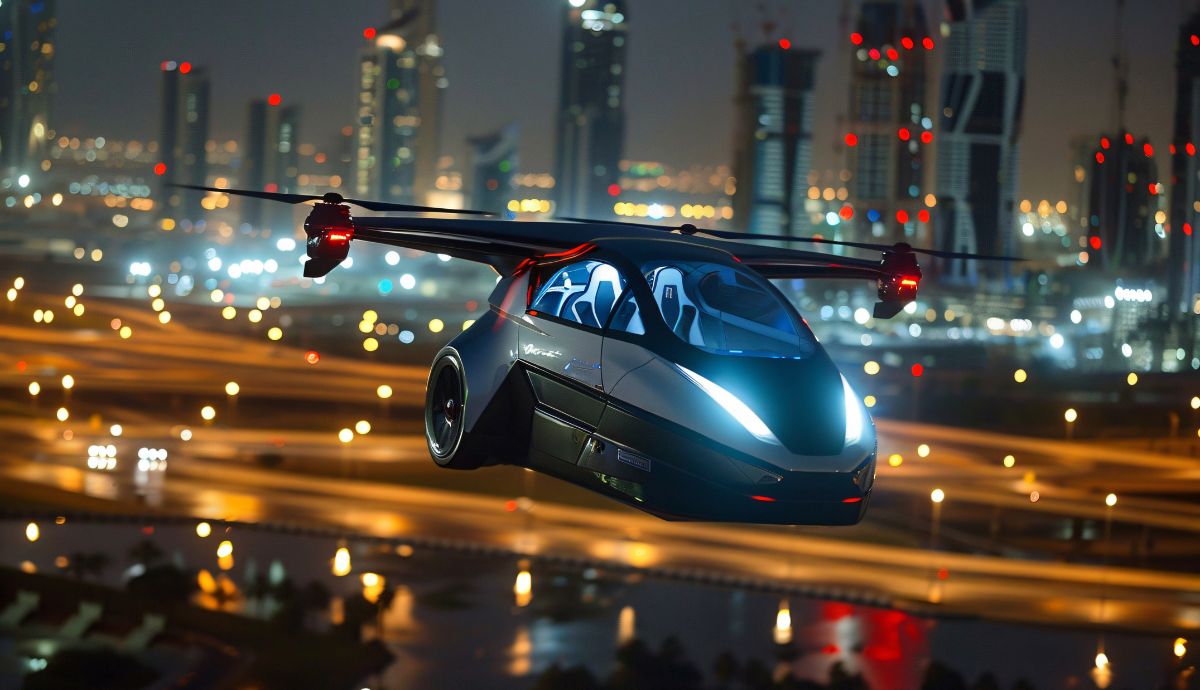
Joby Aviation is seen as one of the most advanced and credible companies to emerge in what has become known as the electric vertical takeoff and landing (eVTOL) space. With cities becoming ever more congested, emissions from transport increasing, and with transportation infrastructure simply not keeping pace, Joby Aviation has created a solution that could revolutionize the way we travel around our metropolitan centers.
Instead of just small upgrades to existing transport systems, Joby Aviation is developing an entirely new dimension of aviation that has electric propulsion, vertical takeoff and landing (VTOL) mobility solutions in addition to digital passenger services. Backed by substantial financial support, proven engineering capabilities, and significant progress in vehicle certification, Joby is well-positioned to build out the first real-life attempt at mobility as a service.”
This post will discuss Joby Aviation’s tech, business model, regulatory headway, competitive landscape and long-term potential.
What Is Joby Aviation?
Joby Aviation, Inc. is a U.S. aerospace company that develops and operates electric air taxis. The company, which was founded in 2009 and spent more than a decade developing aircraft designs and flight systems under the radar before going public.
Joby’s mission goes beyond making airplanes, unlike traditional aviation manufacturers. The company intends to run its own commercial air taxi service, providing fast, quiet and zero-emission flights for regular folk in urban locations.
The Joby Aviation public offering, which was conducted via a merger with a special purpose acquisition company (SPAC), has shone a bigger spotlight on the eVTOL industry sector and showed just how much investors are warming up to electric aviation.
Understanding Joby Aviation’s eVTOL Aircraft
Joby Aviation’s centerpiece is its short-haul passenger eVTOL vehicle, which traces back to its inception.
Key Aircraft Features
Six tilt-capable electric propellers
Constructed for vertical takeoff and landing – no runways necessary
One pilot and four passengers’ accommodation
Fully electric propulsion system
Next-gen flight-control software and backup systems
Performance Capabilities
The balance of speed, range and efficiency Joby’s aircraft will aim to achieve:
Range: About 150 miles per charge
Cruise: About 200 miles an hour
Noise: Much quieter compared with helicopters
Those features make Joby’s aircraft suitable for applications like airport transfer, cross-city commuting and regional point-to-point transit.
Why Joby Aviation Matters for Urban Air Mobility
Urban air mobility is a new way of thinking about transport. In contrast to the limited options of roads and rails, UAM brings low-altitude airspace into mainstream transportation as a feasible option for fast travel.
Joby Aviation is an integral part of this shift for several reasons:
Solving Urban Congestion
Traffic congestion results in billions of dollars of lost productivity annually to cities. Air taxis provide a means of completely bypassing ground congestion, which can shave hours off travel times.
Environmental Sustainability
Because Joby’s aircraft is all-electric, the company says it emits no direct carbon emissions during flight. This is consistent with global climate targets and increasing regulatory pressure to decarbonize the transportation system.
Noise Reduction
Conventional helicopters are loud and disruptive. Joby’s plane is built to be quiet, which will help people warm up to it- and make it easier to fly over crowded urban areas.
Regulatory Progress and FAA Certification
Certification is one of the biggest obstacles for any new aviation technology. Joby Aviation has had notable success with the U.S. Federal Aviation Administration (FAA), which distinguishes it from many other rivals.
The firm is working to achieve FAA Type Certification and which certifies the following:
Aircraft design and safety systems
Manufacturing processes
Flight performance and reliability
Further, Joby is striving to achieve:
Production certification, allowing large-scale manufacturing
Operational acceptance and commercial passenger flights
Joby’s work with regulators has been intentional and ongoing, underscoring the company’s belief in safety and compliance as its primary goal, not tempo.
Strategic Partnerships Strengthening Joby Aviation
Joby Aviation has lined up partnerships that can offer both capital and operational know-how.
Toyota
Toyota has made a significant investment in Joby and offers manufacturing and production support. This relationship is especially strategic as Joby moves from prototype aircraft to scaled production.
Delta Air Lines
Delta’s deal emphasizes airport travel and involves incorporating Joby’s air taxis into premium passenger services.
U.S. Department of Defense
Joby has collaborated with the U.S. military on aircraft evaluation programs, and that experience has contributed to real-world operational testing as well as additional validation work.
These alliances lend Joby a credibility boost and help to mitigate execution risk.
Joby Aviation’s Business Model Explained
Joby Aviation is developing an integrated business model that is unique in commercial aviation.
Core Revenue Strategy
Instead of such airlines buying planes directly from Joby, the company intends to:
Own and operate its aircraft
Bookings and Despatch via Digital Platforms
Generate recurring revenue per flight
The model is akin to ride-sharing companies but in the aviation sector, helping Joby stay in charge of issues like safety, pricing and the customer experience.
In the long run, such a business model may be cash-rich with high recurring margins as it scales up.
Joby Stock and Investor Lookouts
Trading in Joby Aviation stock has emerged as a barometer of investor interest in future transportation technologies. It’s been likened to early EV makers for its long-gestation period and disruptive potential.
Reasons Investors Follow Joby Aviation
Regulatory edge in the eVTOL markets of early entrants
Solid cash position compared to their competitiveness
Advanced certification progress
Clear commercialization roadmap
And there are risks of delayed certification, infrastructure hurdles and slower-than-expected adoption that investors should be mindful of as well.
Competitive Landscape: How Joby Compares
The eVTOL space hosts several notable competitors, such as the:
Archer Aviation
Lilium
Vertical Aerospace
Joby differentiates itself through:
Longer flight-testing history
Emphasis on operational readiness
Stronger regulatory engagement
While rivals chase alternate aircraft architectures or marketing strategies, Joby’s near-term plans for commercial deployment make it a unique competitor.
Challenges & Risks for Joby Aviation
Joby Aviation still has obstacles:
Infrastructure Development
That infrastructure includes vertiports, charging infrastructure and integration with air traffic control systems.
Public Adoption
Passengers have to believe in the safety, reliability and value of air taxis for them to become ubiquitous.
Capital Intensity
Manufacturing and operating in aviation demand huge long-term investment.
Solving the above problems well is what will be Joby’s make-or-break.
Joby Aviation’s Global Market Opportunity
Urban air mobility is not just a United States thing. Air taxi concepts are in play around more crowded urban areas, including Europe, Asia and the Middle East.
As such, Joby Aviation has signalled its intention to expand internationally — possibly unlocking multi-billion-dollar global markets in the future.
Long-Term Outlook for Joby Aviation
Joby Aviation represents a futuristic vision for transportation. Commercial service would take years, but the company’s momentum means that electric air taxis are getting closer to becoming real.
For investors, policymakers and urban planners, Joby Aviation is a case study in how advanced technology, regulation and infrastructure can all coalesce to rewrite the possibilities of mobility.
About the Author