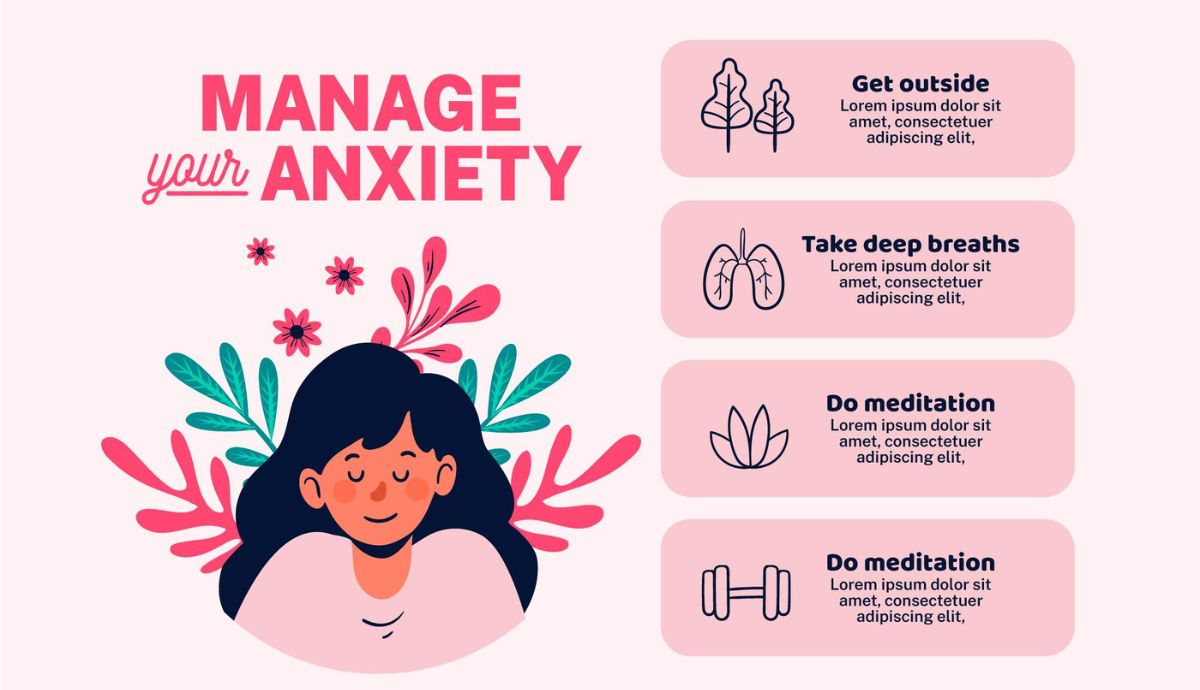
Mental care tips is as vital as physical health nowadays, especially in the ever-changing digital era. But most people tend to ignore emotional health and how vital it is until they are struggling, suffering from burnout, or experiencing stress and anxiety. Mental care should not be regarded as a luxury, but instead as a necessity.
Mental care tips tend to focus on the practical, scientifically-proven techniques to lower stress, promote a better mood, and create lasting change in resilience. Whether you’re a student, a professional, or a housewife, the tips offered in this article are geared toward providing you with balance, a positive outlook, and relaxation in your daily activities.
1. Begin with Self-Awareness
Mental health is much easier to achieve if you have a full understanding of your feelings, as self-awareness is the cornerstone. Self-awareness is the ability to identify and articulate what you feel and why you feel that way. This helps you retain a degree of control over responses and actions.
In what ways can self-awareness be enhanced or developed by someone willing to do the work?
Use a daily record sheet to identify emotions and thoughts to understand the emotional triggers at play better.
Instead of jumping into stressful situations, sensing and analyzing emotions can provide a much better outcome at a micro and macro level if some minutes can be ‘sacrificed’ to reflection.
Utilise technology. For instance, try one of the many mood trackers, Moodpath and Daylio, for example.
Why it helps: It is easier for one to remove certain triggers as well as the mental strain that comes with it if they are cognizant of the barriers that affect their mental strain, as well as the healthier choices they can incorporate into their life.
2. Practice Mindfulness and Meditation
Mindfulness is the Practice of living in the moment and being non-critical. Research shows that stress can be lowered and attention spans can be increased with meditation, as well as improving emotional balance.
Mindfulness Techniques
Take the first 5 to 10 minutes of your day and do some deep breathing.
Pay attention to the sense during normal daily tasks (ex., the water’s feeling when washing dishes)
Take Headspace or Calm and follow the recordings.
Additional Tip: Slow and steady wins the race. Calm can also be achieved with a couple of minutes of Practice instead of several hours’ worth.
3. Mental Health Focused Sleep
Inadequate sleep is directly correlated to depression, anxiety, and weepiness. Adults are required to get 7 to 9 hours of sleep in order to maintain emotional steadiness.
Sleep Techniques
Have a consistent sleep schedule. Go to sleep and wake up at the same time.
Don’t look at any phones or laptops with bright screens at least 1 hour before sleep.
Make a sleep ritual. Dim the lights, read a soothing book, or listen to soft songs.
Working Insight: Rest is also important for the mind. It increases the capacity to handle feelings and think clearly.
4. Remain Active
To move is to exercise. Working out releases endorphins and improves overall brain function. Exercise is also a natural antidepressant.
Rcommendation
30 minutes of brisk walking every day or jogging.
Improve and practice flexibility exercises.
Any other games or activities that make you enjoy yourself, such as dancing, swimming, or cycling.
Scientific Proof: Even a little exercise reduces stress hormones and mild depression symptoms. Proof is accurate: Research from Harvard University comes to mind.
5. Brain Food, aka a Healthy Diet
Anyone’s mental state can easily be influenced by diet. Eating a well-balanced diet improves concentration, energy, and mental clarity.
Mental Health Foods
Salmon, walnuts, and flaxseeds.
Fruits with antioxidants like Berries and citrus.
Whole grains, which prevent wild mood swings and regulate blood sugar.
Green leafy vegetables such as spinach and kale contain nutrients that support brain functions.
Avoid: Processed food, sweets, and caffeine as a whole.
6. Be around people who provide Positive Support
To foster and nurture emotional well-being, social connection is important.
Ways to strengthen social bonds
Save time to meet and greet people you love and do that on a schedule.
Become a member of of community group to do some activity or join a hobby club, or take part in some online supportive groups such as forums.
It is important at work or at home to avoid distractions or multitasking.
Note: Supportive friends and family reduce stress and alleviate chronic sadness.
7. Set Boundaries To Safeguard Your Peace
Acceptable forms of rest include saying “no”. Burnout is often a result of taking on too much work.
How To Establish Room To Breathe
Listen intently and respectably convey your Point of view.
Say “no” to pointless tasks.
Do not be ashamed to pencil rest periods to recharge.
Short Insight: It is okay to guard your peace; you have to in order not to lose your balance.
8. Reduce Information Overload
Excessive screen time contributes to fatigue and insomnia. Unrealistic comparisons on social media may contribute to poor self-image.
Short Steps For Digital Detox
Switch off non-urgent notifications.
Set and stick to daily social media time limits.
Take breaks and step outside. This can include gardening or just sitting in the fresh air.
Important Outcomes: Your mind is often overworked. Decreasing digital information allows restored focus.
9. Learn To Respond Constructively To Stress
Every individual will have to deal with stress. However, it is your reaction to the stress that determines your mental fortitude. Constructive Point of view techniques allow you to stay calm under pressure.
Techniques to Relieve Stress
Do deep breathing or tension-releasing exercises.
Indulge in activities like painting or writing.
Try not to do too much at once; break tasks and small steps.
Pro Tip: Stress is often an inflexible opponent; it is best to tackle it as you would tackle an opponent with resilience.
10. Know When to Ask for Help
It is completely normal to seek assistance. In some cases, issues such as anxiety and depression take more than just self-help.
When to Contact a Therapist
Feelings of excessive sadness, emptiness, or hopelessness.
Inability to sleep or concentrate.
Isolation from social interactions, which could have been pleasurable.
Helpful Resources:
BetterHelp (online therapy)
Talkspace (licensed therapists available remotely)
WHO Mental Health Helplines (international support network)
Remember: Every time you reach for help, it’s a sign of strength.
11. Incorporate Gratitude Into Your Everyday Life
Focusing on gratitude allows you to shift from a scarcity mentality and toward what you have. Gratitude is the Practice that conditions the brain to see the good and enjoy the good life more.
Simple Gratitude Exercises
Every morning, write down three things you are thankful for.
Every day, appreciate someone.
Create a gratitude jar and put one uplifting statement every day.
Mind Boost: Gratitude lowers negative thoughts, fosters a more positive attitude, and builds emotional strength.
12. Spend Time on Hobbies and Other Creative Activities
Loving what you do gives life back to your spirit. When one is feeling overwhelmed, hobbies such as painting, gardening, writing, or playing music are just what the doctor ordered.
How Creativity is Therapeutic
Allows for self-expression.
Increases the flow of endorphins and enhances the mood.
Fosters a sense of confidence and purpose.
Tip: Defining worth is a process, and take whatever jollies one gets spending time on something for a minimum of thirty minutes a day, scheduled on a calendar.
13. Crap on oneself less and Practice self-affirmation
Negative self-talk and self-doubt a common downfalls for all and bring people down. Give yourself positive self-talk and some self-worth for the mental power.
Examples of Self-Affirmation
“Im powerful and very capable.”
“I prefer peace to worry.”
“I am doing my very best, and that is simply enough.”
Psychology Insight: Less self-talk lowers one’s anxiety and increases the emotional border, also known as the resilience belt.
14. Spend some time outside, Time in Nature
Nature therapy, otherwise known as eco-therapy, classifies and organizes. It is proven to strengthen and mentally outdoor and lowers cobra self, the stress. Nature brings serenity.
Ways to Spend More Real Time Outside
Take a morning walk in a park behind my apartment,
Gardening or hikes on the week of weekdays, the magic ones.
Just sit outside and look.
Mindful Moment: Nature comes forward to us, the people and frogs and squirrels, to tell us to stop breathing so fast, appreciate life, whatever that is, and that is great.
15. Make Mistakes and Never Stop, continue Learning
Personal growth boosts self-belief and keeps the brain alive. Believe it or not, acquiring new things stimulates mental pliability and removes tensions.
Ideas for your growth, new and continuous
Books on self-growth or self-improvement, psychology
Sign me up for an online course on the internet and webinars.
New-found skills, arts or languages.
And on that note, growth is an eternal concept, and for lack of a better term, take it with aloofness and bravery.
I hope you have realized the mental benefits of building a daily routine for yourself.
Your mental health deeply impacts your productivity, relationships, overall happiness, and even your health. These mental self-care strategies are not merely one-off quick fixes but rather are behaviours that are repeated to help alter your mindset around problematic situations. These self-care strategies are practical and portable.
Begin with something that you can realistically engage yourself with – perhaps mindful walking or daily journaling. Coupled with these activities, think of additional strategies and tools and integrate them into your routine. Having a clear head and nurturing mental health ultimately translates to a fulfilling life.
About the Author