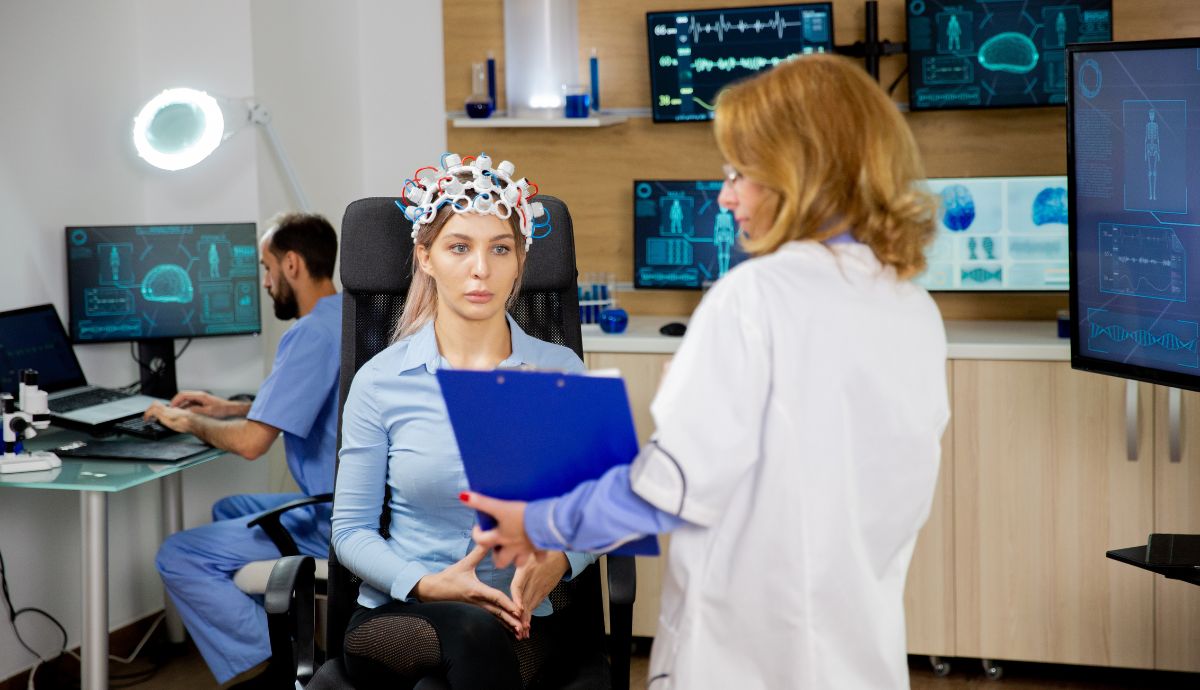
In recent years, TMS Treatment APN has gained global attention for transforming the way mental health conditions are treated. TMS, or Transcranial Magnetic Stimulation, is a non-invasive therapy that uses magnetic fields to stimulate nerve cells in the brain. It’s a breakthrough option for people struggling with depression, anxiety, or other neurological conditions when traditional treatments like medication or therapy don’t work.
The acronym APN often refers to Advanced Practice Nurse, professionals trained to deliver complex mental health therapies safely. Together, TMS Treatment APN represents the fusion of cutting-edge neuroscience and expert clinical care — providing hope to millions worldwide seeking a new path toward mental wellness.
1. Understanding TMS Therapy: The Science Behind It
What Is TMS Treatment?
TMS (Transcranial Magnetic Stimulation) works by using electromagnetic pulses to stimulate specific areas of the brain responsible for mood regulation. This helps “rewire” neural pathways and improve symptoms of depression, anxiety, OCD, and even PTSD.
How TMS Works
- A magnetic coil is placed gently on your scalp.
- The device sends painless pulses that activate brain neurons.
- Over time, this stimulation helps rebalance brain activity.
Unlike electroconvulsive therapy (ECT), TMS does not require anesthesia and has minimal side effects.
Key Benefit: It’s a drug-free, FDA-approved, and clinically proven treatment option for people who haven’t responded to antidepressants.
2. Role of APN (Advanced Practice Nurse) in TMS Treatment
The “APN” in TMS Treatment APN plays a crucial role in ensuring safe, personalized, and effective therapy. These professionals possess advanced degrees and clinical expertise in mental health care.
Responsibilities of APNs in TMS
- Conduct comprehensive mental health assessments before treatment.
- Customize the TMS protocol based on each patient’s needs.
- Monitor patient progress and adjust stimulation intensity.
- Provide emotional and psychological support throughout sessions.
Why It Matters: Having an APN-led TMS treatment means you get a holistic, patient-centered approach that integrates science with compassionate care.
3. Conditions Treated by TMS Therapy
A. Major Depressive Disorder (MDD)
TMS is primarily approved for patients with treatment-resistant depression — when antidepressants fail to provide relief. Many patients report noticeable improvement after a few sessions.
B. Anxiety Disorders
By targeting overactive brain circuits, TMS helps reduce symptoms of generalized anxiety disorder (GAD) and panic attacks.
C. Obsessive-Compulsive Disorder (OCD)
Research supports TMS as an effective adjunct therapy for OCD, helping regulate repetitive thought patterns.
D. PTSD and Chronic Stress
TMS helps calm hyperactive areas of the brain responsible for trauma and fear, making it an emerging solution for post-traumatic stress disorder.
E. Other Potential Uses
Ongoing studies suggest TMS may help with:
- Bipolar disorder
- ADHD
- Chronic pain
- Addiction recovery
4. Benefits of TMS Treatment APN
Non-Invasive and Safe
No surgery or anesthesia is needed. TMS is performed in a clinical setting by trained professionals like APNs.
No Major Side Effects
Unlike medications that cause fatigue or weight gain, TMS usually only leads to mild scalp discomfort or headache.
High Success Rate
Studies show a 60–70% improvement rate among people who previously didn’t respond to medications.
Quick Recovery
Patients can resume normal activities immediately after each session — no downtime required.
Personalized Care
With an APN overseeing treatment, sessions are tailored for maximum results, ensuring ongoing monitoring and emotional support.
5. The TMS Treatment APN Procedure: Step-by-Step
Understanding what to expect can ease anxiety about starting therapy. Here’s a simple breakdown of a typical TMS session:
- Initial Evaluation:
The APN evaluates your medical and psychiatric history to determine if TMS is suitable for you. - Mapping the Brain:
A device is used to locate the correct region of your brain for stimulation — typically the prefrontal cortex, associated with mood regulation. - Stimulation Session:
You sit comfortably as the magnetic coil delivers targeted pulses. Each session lasts around 30–40 minutes. - Regular Treatment Schedule:
Most patients attend sessions 5 days a week for 4–6 weeks for optimal results. - Progress Monitoring:
The APN reviews your symptoms weekly, adjusting the treatment as needed.
Good to Know: Many patients begin noticing improvement in mood and motivation within 2–3 weeks of consistent therapy.
6. Who Is a Good Candidate for TMS Treatment APN?
You may be a good candidate if:
- You’ve tried two or more antidepressants without success.
- You experience side effects from psychiatric medications.
- You’re looking for a non-drug alternative for depression or anxiety.
- You have no history of seizures or metal implants in the head.
Contraindications:
TMS may not be suitable for individuals with pacemakers, metal implants near the skull, or epilepsy.
7. TMS Treatment vs. Traditional Therapy
| Aspect | TMS Treatment | Medication / Talk Therapy |
|---|---|---|
| Method | Magnetic stimulation | Chemical/psychological |
| Invasiveness | Non-invasive | Medication-based or conversational |
| Side Effects | Minimal | Often includes weight gain, fatigue |
| Success Rate | 60–70% (resistant cases) | 40–50% average |
| Duration | 4–6 weeks | Long-term, indefinite |
| Supervision | APN or psychiatrist | Therapist or doctor |
Conclusion: TMS is not a replacement for therapy but an enhancement — especially for treatment-resistant cases.
8. Possible Side Effects of TMS
TMS is widely regarded as safe. However, some mild side effects may occur, including:
- Scalp discomfort during treatment
- Mild headache after sessions
- Lightheadedness
These usually disappear within a few hours. Serious complications are extremely rare.
Tip: Always discuss your medical history with your APN before beginning therapy.
9. Global Growth of TMS Treatment
Countries like the USA, UK, Canada, and Australia are rapidly adopting TMS treatment programs in both private clinics and hospitals. The therapy’s success rate, affordability, and non-invasive nature make it one of the fastest-growing solutions in the mental health industry.
Statistical Insight:
According to the World Health Organization (WHO), depression affects over 280 million people globally, making innovative solutions like TMS crucial for future mental healthcare.
10. Cost and Accessibility of TMS Treatment APN
The cost of TMS varies depending on the country and number of sessions. On average:
- In the U.S., one full treatment cycle costs $6,000–$12,000.
- In Europe, sessions are typically priced between €100–€250 each.
Some insurance providers now cover TMS for depression, especially when prescribed by certified professionals such as APNs or psychiatrists.
11. The Future of TMS Therapy
As research advances, TMS Treatment APN continues to evolve. Newer forms like Deep TMS (dTMS) and Theta Burst Stimulation (TBS) offer faster results and shorter sessions.
Future applications may include neurorehabilitation, pain management, and cognitive enhancement, making TMS a central pillar of modern psychiatry.
12. Testimonials and Real-Life Success Stories
Patients around the world report dramatic improvements after TMS treatment:
- “After years of medication, TMS finally gave me my life back.”
- “My anxiety attacks decreased within two weeks.”
- “With my APN’s guidance, I felt supported every step of the way.”
Such experiences highlight the life-changing power of TMS therapy under skilled APN supervision.
13. Choosing the Right TMS Treatment APN Clinic
When selecting a clinic or provider:
- Ensure they are certified and licensed.
- Ask about the type of TMS machine used (FDA or CE approved).
- Check patient reviews and success rates.
- Confirm APN or psychiatrist supervision during sessions.
Pro Tip: Always schedule a consultation before committing to a treatment plan.
Conclusion: The Future of Mental Wellness Lies in Innovation
TMS Treatment APN represents a new era of mental health care — where science meets compassion. By combining advanced neurostimulation technology with professional nursing expertise, patients receive personalized, non-invasive, and effective mental health support.
If traditional therapies have failed you, TMS may be the breakthrough you’ve been waiting for. With minimal side effects, proven results, and expert supervision, it offers renewed hope for a happier, balanced, and healthier mind.
About the Author