Commercial Real Estate (CRE) is one of the biggest wealth generation machines in the world and attracts millions of small investors, larger businesses, and global institutions. Everything from shopping malls and office buildings to warehouses and multifamily housing, CRE is a major engine of growth in the economy and development in our communities.
The guide will cover what CRE is, how commercial real estate works, the advantages of investing in commercial real estate and the associated risks, as well as current trends affecting these assets worldwide.
What Is Commercial Real Estate (CRE)?
Commercial Real Estate (CRE) is any property used exclusively for business or investment purposes. Residential real estate is lived in, while commercial real estate (CRE) properties are operated as a business that leases space to tenants.
Main Types of CRE:
What do you do for a living?
Retail Properties — Shopping Centres, Malls, Stores
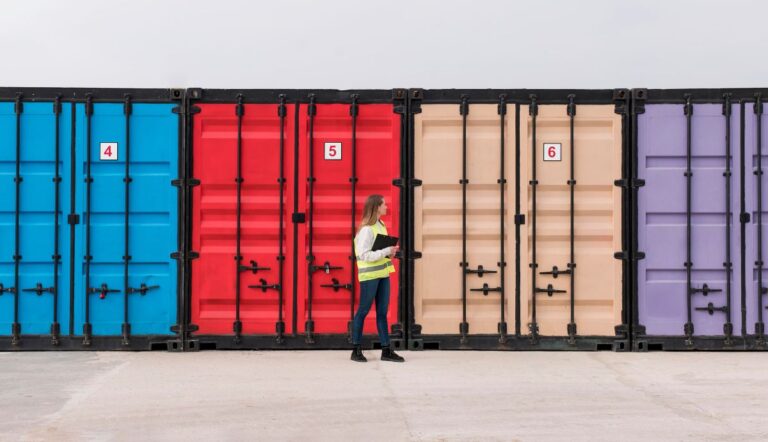
Industrial properties – (warehouses, factories, logistics complexes)
Multifamily Housing – Apartment complexes
Hospitality – Hotels, resorts
Why Invest in CRE?
Because of this, CRE can also be a desirable and low-volatility investment, offering both steady yield and strong long-term capital appreciation.
Key Benefits:
Consistent Cash Flow
Commercial Real Estate (CRE) properties, for example, positive cash-flow assets typically leased to tenants on long-term agreements that yield steady … rent.
Appreciation Potential
Property prices tend to go up over time, particularly in prime city zones.
Diversification
Owning a CRE in your portfolio reduces risk by diversifying away from both the stock and bond markets.
Tax Advantages
Depreciation, tax shields, deductions and incentives.
How CRE Investment Works
Commercial real estate (CRE) investing is the purchase or financing of income-producing properties. Investors earn returns through:
Rental income
Property appreciation
Lease agreements with businesses
Real Estate Investment Trusts (REITs)
Popular Investment Methods:
Direct property ownership
REITs (Real Estate Investment Trusts)
Crowdfunding platforms
Real estate partnerships
Current Global CRE Trends (2026)
Changes in the Commercial Real Estate (CRE) Sector
Rise of E-Commerce Warehousing
Narrating booming demand for logistics and man range rolls amid a hike in online retailers
Flexible Workspaces
Hybrid work is changing the demand for office space and driving coworking trends.
Green & Sustainable Buildings
Factors That Spark Investor Interest in Eco-Friendly Buildings
Smart Buildings
Fall of Property Manager Revolution: The Patterns of AI, IoT and Automation
Emerging Markets Growth
CRE investment is booming in Asia, the Middle East and Africa.
Risks in Commercial Real Estate
CRE is offering investors an opportunity in exchange for its strong Returns:
Market Volatility — Economic Slumps May Lower Demand
Dependency — Dependence on initial seed capital.
Vacancy risk — No tenants equals no income
Maintenance − High ongoing revenues
CRE vs Residential Real Estate
Feature CRE Residential Income Potential Higher Moderate Lease Duration Long-term Short-term Risk Level Higher Lower Tenant Type Businesses Individuals
Beginners In CRE: How To Get Started
If you are new to CRE, be tactical about where you start:
Understand Market – For local & global trend analysis
Start small – Try your hand at REITs or dip a toe into small commercial units
Collaborate with Professionals
Look at ROI — you should be more concerned with cash flow and long-term profits.
Finding Funding: Seek out banks or investment pools.
Future of Commercial Real Estate
Innovation and adaptation will play a major role in determining the future of CRE. Ongoing digital transformation, sustainability and changing work cultures will influence how companies design and use commercial properties.
Against this backdrop, the prudent and adaptive investor will flourish.
About the Author