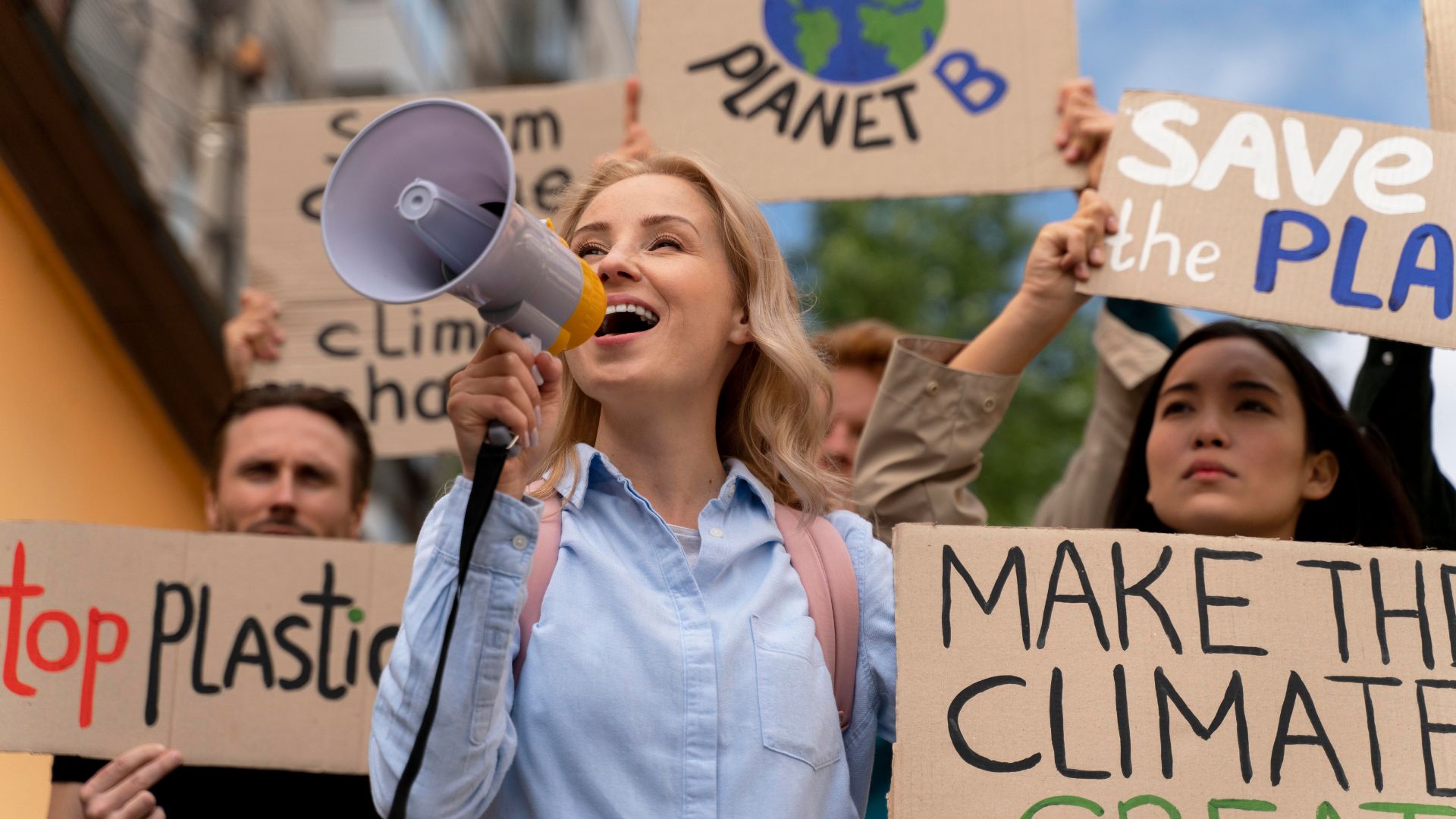
Humanity is facing a global climate crisis that is urgent and complex. Weather extremes, rising sea levels, and shifting ecosystems are all symptoms of climate change that are no longer theoretical. With the climate crisis intensifying, international, national, and local political efforts are needed to address this global issue. As a result of the climate crisis, this article explores the political challenges. Governments’ role in climate action, as well as international cooperation, will also be examined.
Climate Change: An Overview
A global climate crisis is caused by long-term shifts in temperature, precipitation patterns, and other aspects of Earth’s climate system. Fossil fuel burning, deforestation, and industrial agriculture are the primary causes. Global warming is caused by greenhouse gases like carbon dioxide (CO2) and methane released from these activities.
Natural disasters (such as hurricanes, droughts, and floods) are more frequent and severe due to global warming. Globally, these impacts already affect millions, particularly those in developing countries and small islands.
Due to its far-reaching consequences, the Climate crisis has a political nature that transcends borders, industries, and economies. It is not just an environmental issue, but also a social and economic one. In the face of this crisis, governments and global institutions face a political challenge. It is whether they will take the necessary steps to address its causes and effects.
Implications of climate change for politics
Climate change presents significant political challenges for governments worldwide. Climate mitigation and adaptation are among these challenges. Furthermore, they involve negotiating international agreements to limit global temperature rise and developing comprehensive policies to curb emissions.
Implications for policy and economic challenges
Economic costs largely hamper climate change. Low-carbon economies require climate-resilient infrastructure and renewable energy. These investments are necessary for long-term sustainability, but they can be costly and may be opposed by fossil fuel industries.
Furthermore, climate change disproportionately affects low-income and developing countries, which are less prepared to handle its impacts. The political challenge is to ensure equitable climate action and support for vulnerable communities.
Various sectors of society have competing interests that governments must navigate. Fossil fuels, agriculture, and transportation have significant political influence. Climate action can be slowed by their resistance to it. Taking climate action without delaying these interests is one of the key political challenges.
Global inequality and climate justice
The climate crisis also raises the issue of climate justice. Technology, finance, and policy are often most efficient for dealing with greenhouse gas emissions in developed nations. The most vulnerable to climate change are developing countries, which have contributed less to global emissions. Resources are often lacking for mitigating its effects.
Those most affected by climate change deserve financial and technical support from wealthy countries. Climate adaptation and resilience programs are also supported, along with the use of renewable energy sources in developing countries. The lack of financial responsibility and an unequal distribution of resources make global cooperation on these matters a political challenge.
Climate action and the role of government
Global climate change is primarily the responsibility of governments and international organizations. Their policies reduce emissions, promote renewable energy, and protect vulnerable communities. Additionally, governments must negotiate and enforce global climate agreements on an international level.
Legislation and Domestic Policies
Policies must be adopted and implemented at the national level to support a low-carbon economy. It involves promoting renewable energy alternatives, investing in green technology, and reducing emissions. Renewable energy adoption and energy efficiency have already advanced in countries like Denmark, Sweden, and Germany.
Despite powerful industry opposition, governments will struggle to pass meaningful climate legislation. Politicians in many countries are hesitant to pass policies that harm coal companies and other polluting industries.
Multilateral agreements and international cooperation
Due to the global nature of climate change, international cooperation is essential. The Paris Agreement, for example, plays a crucial role in bringing countries together to set emission reduction and climate change goals. Climate change is expected to increase by 1.5°C by the end of the century, according to the Paris Agreement, adopted in 2015.
Implementation and enforcement of the Paris Agreement remain challenges. Countries have fallen short of their commitments to reduce emissions. Trump’s withdrawal from the agreement undermined international climate efforts. As the global cooperation continues to grow, all countries will need to meet their targets.
Global Action and Political Solutions are Needed
Achieving climate change requires more than just technological innovation and scientific research; international solidarity is also needed. A focus on emissions reduction, the transition to renewable energy, and addressing climate change impacts must be the focus of political solutions.
Global action and urgency
Climate change cannot be overstated. It is becoming increasingly challenging to avoid catastrophic global warming. The world will suffer irreversible damage if global emissions do not drastically reduce within the next decade. Extreme weather events and ecosystem collapse are included in this category.
For political solutions to work, countries must act immediately and aggressively. As part of this, aggressive climate policies must also be aligned with broader social and economic goals. The government and corporations are also responsible for driving climate change.
Climate Movements and Youth
Grassroots movements and youth activism also shape climate change policy. Millions of people worldwide have been mobilized by organizations like Fridays for the Future, which Swedish activist Greta Thunberg leads. Governments are urged to prioritize the climate crisis and take decisive action.
The role of youth and civil society in politics is crucial. Activists push governments to be more transparent, accountable, and responsive to climate change.
The end.
The global climate crisis requires urgent and coordinated action at all levels of government. There are significant obstacles to effective climate action—such as economic interests, power imbalances, and vested interests’ opposition. To reduce emissions, transition to renewable energy, and ensure climate justice for vulnerable communities, governments must act urgently.
Political will to address climate change will grow as its effects become more apparent. To ensure the Future of our planet and its inhabitants, we must work together as a community. A world with a sustainable, just, and resilient Future is possible, but it poses a challenge as well.
About the Author