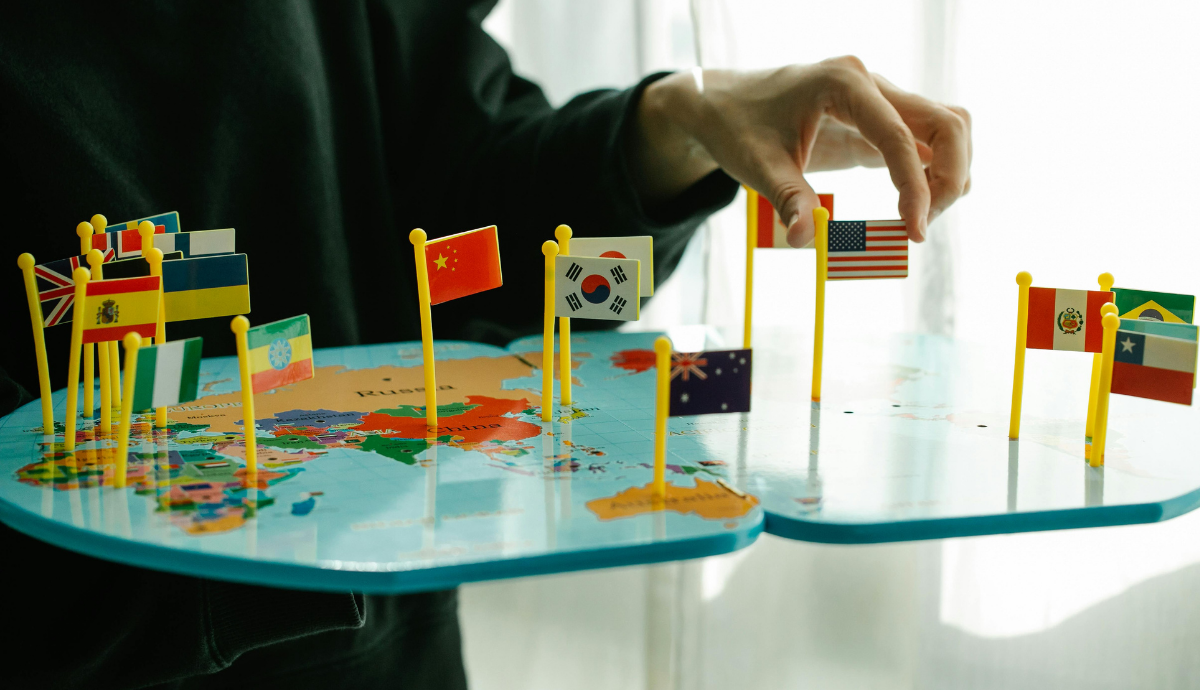
Education has always helped humanity move forward. In the 21st century, as the world becomes more connected through trade, travel, and technology, the lesson plans have changed. Global education today reaches far past the old idea of going to school, and instead teaches people how to live, work, and dream together on the same planet. Whether through the Sustainable Development Goals (SDGs) or computer tools, education now builds our paths toward inclusive, peaceful, and forward-thinking communities.
The Value of Global Education
Global education is bigger than the school day. It teaches students how to think deeply, notice cultural treasures and differences, and ask smart questions of people whose lives may seem strange. When societies meet, share, and even sometimes clash, schooling that builds global curiosity becomes the bridge. By widening learners’ views, education nurtures the empathy, respect, and teamwork needed for tomorrow’s citizens.
Beyond changing minds, education directly fights hunger, lifts girls into equal job fights, sparks tomorrow’s inventions, and steers green growth. Bright-minded people fill the toolkits of powerful, peaceful countries. When UNESCO studies how people fare, it finds that one more year of learning can boost pay by 10% or more. That says education is a treasure for the head and heart and for nations working to grow and thrive together.
Big Challenges for Education Everywhere
Even though we’ve made big strides, tons of kids and adults still can’t get a good education. Here are some of the big roadblocks:
Fairness in Getting to School: In many poorer parts of the world, kids, and especially girls, can’t go to school because there isn’t enough money, customs hold them back, or there are just no school buildings around.
Tech Gap: Learning online is the new thing, but if you don’t have a gadget or a decent internet connection, you get left out. Farmland communities and low-income neighbourhoods are still waiting for good access.
War and Moving Families – Fights, storms, and refugee emergencies wipe away classrooms for millions of kids every single year.
Learning Quality: Sometimes schools are open, but old books, not enough trained teachers, and sticky classrooms still hold back what students can really achieve.
How Tech Is Changing Learning for the Whole World
Technology is changing how we learn. Websites, online classes, and e-learning apps are giving new chances to students everywhere. When COVID-19 hit, devices and the internet turned into the only way for learners to stay in school while everyone stayed at home.
Yet tech isn’t a magic fix. Without solid internet, good devices, and teachers who know the tools well, online learning can actually push kids further apart. That’s why local and national leaders, along with companies and charity groups, have to make sure every kid can reach the same tech, no matter where they live or how much their family earns.
The World Challenge and Our Shared Goal
The United Nations sets a public promise to make sure, by the year 2030, every child and teen can count on fair, quality learning that lasts their whole life. They want to see everyone master the basics, learn new skills, and enjoy equal lessons, no matter their gender.
Meeting that promise will take countries talking, smart money, and bright new ideas working together. Classroom success isn’t someone else’s duty; it’s something all of us—governments, charities, companies, and neighbourhood groups—must join forces to achieve.
Reasons to Pursue Shared Learning
Bridges of Peace: Schooling teaches kids about each other, cuts down on hate, and helps them live together peacefully.
Cash and Jobs: Nations with more kids who can read and write well create stronger, growing job markets.
New Bright Ideas: When students around the world learn together, they invent faster cures, better machines, and cool tech that helps everyone.
Stronger Minds: Today’s classroom helps kids practice fixing problems, talking well, and leading, all crucial skills for a fast-moving world.
The Future of Global Education
Tomorrow’s classrooms will be shaped by creativity, including everyone, and changes that keep pace with the world. Cutting-edge tech like A.I., virtual environments, and adaptive learning will turn the ordinary school day into an inspiring adventure. But governments must also tackle the costs of learning, the distance to the classroom, and the balance so that every child, teenager, and adult can step inside. Money, meters, and manmade barriers must be part of the plan and not the walls that block the dream.
Also, learning will never stop after graduation. Stores, studios, and labs shift overnight, and to excel, people must keep adding fresh skills even decades after they first pick up a pencil. Continuous learning will be as normal as a morning ride to school.
Conclusion
Global education is not a scroll to sign or a photo to frame—it is every heartbeat promised to fairness, every handshake dedicated to kindness, and every textbook thinned out to make room for fresh hope. If we can solve harsh gaps between homes, provide quick access to Wi-Fi, and the simple choice of “yes, I can afford to go to school”, the world can open every door to every learner on every continent.
As Mandela boldly wrote, “Education is the most powerful weapon which you can use to change the world.” Today, this truth hops from journals to apps, from city streets to digital street markets. A global push for education is an investment not in handouts, but in strong shoulders for tomorrow, in beating hearts that will, in turn, heal nations, and in minds wired for both peace and promise.
About the Author